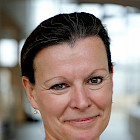
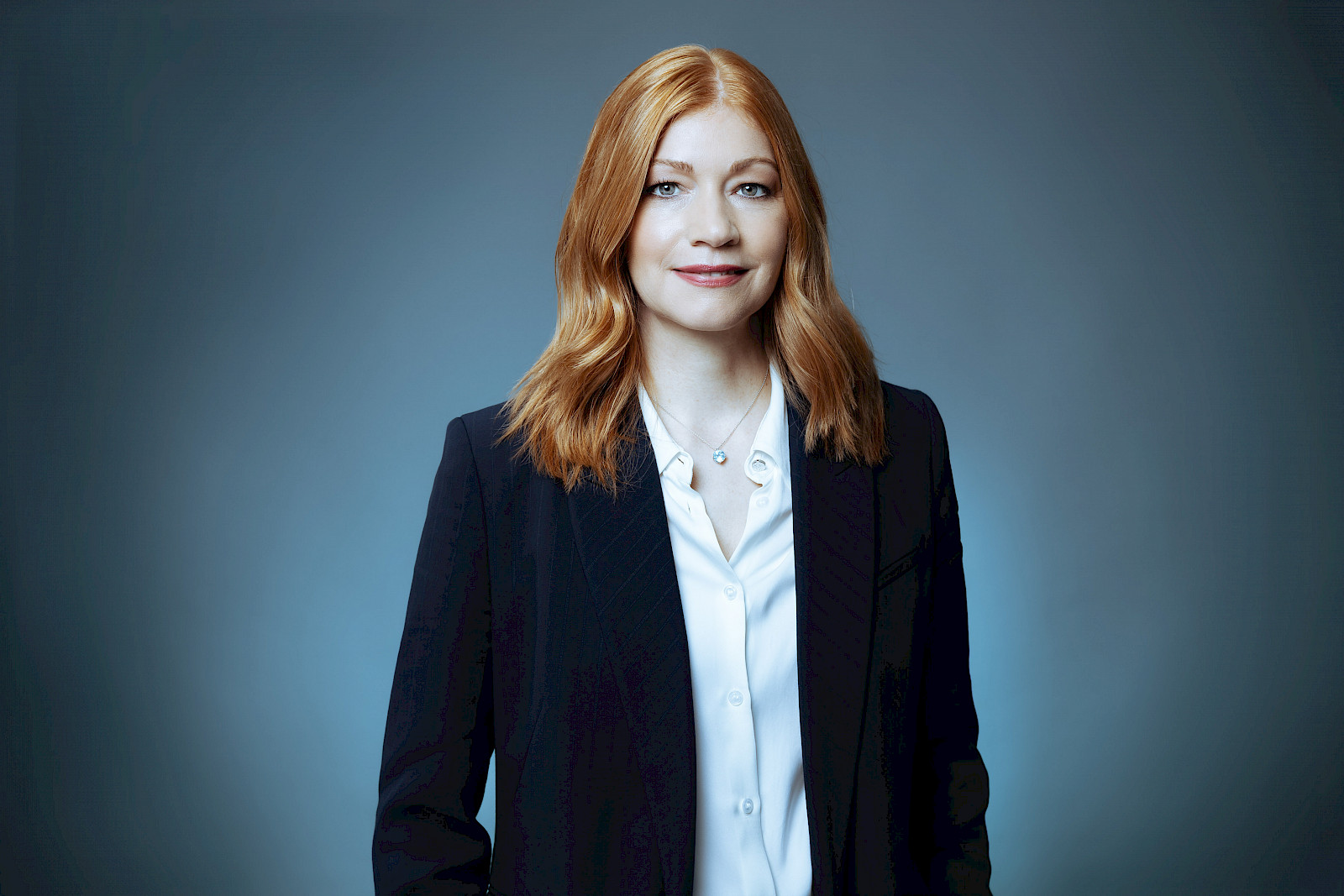
Interview with Dr. Vera Saal, Rheinmetall AG
Mission growth
Demand for defense industry products has risen sharply and many companies are expanding their production capacities. For this they need very many new and highly specialized employees. Rheinmetall is Germany’s largest producer of products and systems in the defense sector. The listed company is broadening its product range and has an ambitious goal: the number of employees is to roughly double by 2030. Dr. Vera Saal explains which specialists the company is looking for, how it integrates the many new employees and gets them ready for the demanding working environment.

“In some areas, experienced specialists can usually be deployed in our company after a shorter onboarding period. In other areas, however, a longer period of individual qualification is required in order to be able to meet the special requirements in the defense industry.”
DEKRA: How many new employees are you currently looking for?
Saal: We are currently looking for 2,086 new colleagues in Germany alone. Worldwide we currently employ around 34,000 people. This number is to roughly double by 2030.
DEKRA: For which areas do you need new staff?
Saal: There is currently a staffing need in all divisions. For example, in Weeze we are currently looking for around 70 new colleagues for the production of state-of-the-art aviation components.
DEKRA: Which fields of study and qualifications do you look for most often?
Saal: The strongest growth in positions is currently in the production area as well as in the engineering and IT/software sector. We are looking above all for profiles with a technical background, i.e. employees in the field of product development and production. Here, particularly in the engineering area, the fields of electrical engineering and mechanical engineering, and in the skilled-worker area, for example, industrial mechanics, machine and system operators, cutting machine operators, welding technicians, painters, mechanics, aircraft mechanics, mechatronics technicians, electronics technicians, automotive electricians, metalworkers and chemical technicians. We have also advertised positions for IT experts, software developers, process engineers, project managers, buyers, logisticians and controllers.
DEKRA: Which personal qualities do you value most?
Saal: At Rheinmetall we place great value on a solution orientation, the ability to work in a team and the willingness to take on responsibility in a world that is changing dramatically.
Our collaboration is characterized by respect, trust and openness – values that strengthen our corporate culture and secure our success. We are looking for people with whom we can create a culture in which fairness, appreciation and development opportunities are a matter of course, so that with our technologies, our products and systems we can create the indispensable foundation for peace, freedom and security.
DEKRA: Can you deploy specialists from other industries directly?
Saal: This depends very much on the job requirements and the individual applicant profiles. For many positions, no special industry experience is required. In some areas, experienced specialists can usually be deployed in our company after a shorter onboarding period. In other areas, however, a longer period of individual qualification is required in order to be able to meet the special requirements in the defense industry. For example, for our new plant in Weeze we need new colleagues from the field of aviation technology. Specialized digital expertise, such as skills in dealing with AI, is also becoming increasingly important.
“Especially in the defense industry, some highly specialized and complex job profiles have to be filled. In addition, given the changed situation on the labor market, it is a challenge to do justice to the volume of applicants.”
DEKRA: How do you impart missing knowledge and competencies?
Saal: Rheinmetall provides targeted support for individual careers in a specialist, leadership or project management role. There is, for example, a master craftsman program, but also measures for developing operational, methodological and leadership competence.
The diverse further-training offers of the Rheinmetall Academy help to support and challenge all employees in order to accompany their personal and professional development. In addition, where needed, there are special offers at the individual sites in the form of programs or individual qualification measures to onboard specialists from other industries. One example of this is the conversion of our former automotive plants in Berlin and on the Lower Rhine.
Worldwide, we also offer all employees a large selection of e-learning courses on many topics, available around the clock in 20 languages and on all devices. Individual personal-development measures such as mentoring and coaching are accessible to our employees as needed.
DEKRA: Rheinmetall recently made a takeover offer to parts of the workforce of other companies. How was that received?
Saal: One example here is the conversion of our former automotive plants in Berlin and, in part, on the Lower Rhine into defense production sites. The conversion was a joint success of the company, the works councils and the IG Metall trade union. The repurposing is accompanied by an extensive qualification campaign that has been tailored precisely and is currently being implemented successfully. Our offers were predominantly received very positively.
Rheinmetall offers new employees professional onboarding to support their personal start and to ensure good communication and rapid integration. New specialists bring new experience and new viewpoints, which we greatly value. We have so far been very successful in combining these with our existing corporate culture and creating added value from them.
DEKRA: What are the biggest recruiting challenges in the defense industry?
Saal: Especially in the defense industry, some highly specialized and complex job profiles have to be filled. In addition, given the changed situation on the labor market, it is a challenge to do justice to the volume of applicants.
DEKRA: Is there anything you would like from policymakers with regard to the labor market?
Saal: The topics of cutting bureaucracy and investment, above all in digital infrastructure, are also a priority for us.
Back